💸 Cost Breakdown

How Much Does a
Custom Norway Trip
Actually Cost?

Norway is expensive, but it doesn't have to be a guessing game. Real, localized price breakdowns to help you plan a realistic itinerary from day one.

NordRoute Editorial
13 min read
Cost Breakdown
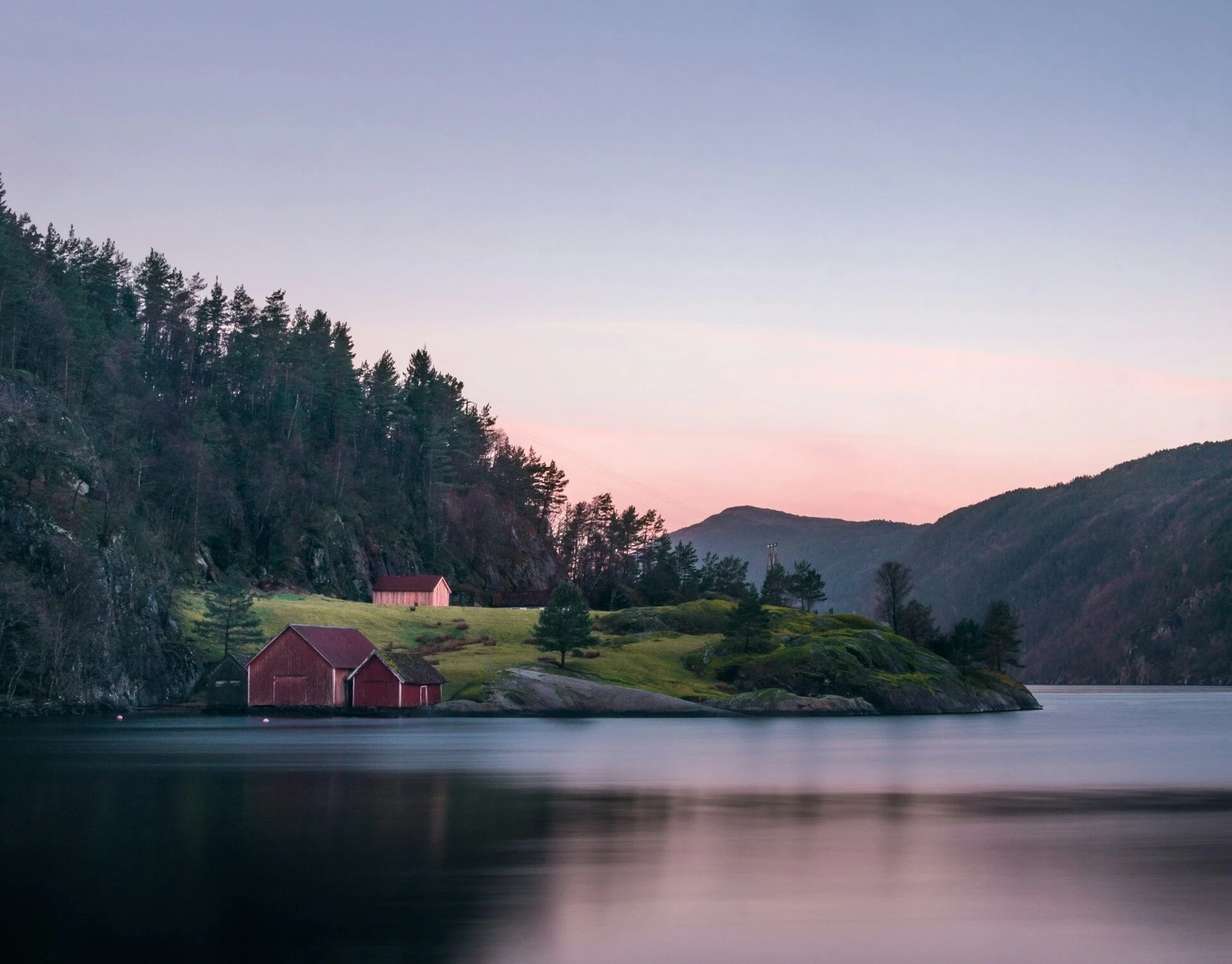
Norwegian fjord landscape with mountains and water

Getting here is not as expensive as it might sound

You've already seen the vague answers. "It depends on your style." "Budget, mid-range, or luxury." A range so wide it's useless for actual planning.

Here's the honest version instead: real ballpark figures, broken down by the kind of trip you're actually considering, based on current 2026 pricing. Numbers below are per person, double occupancy unless stated otherwise, and exclude international flights to Norway, since those vary too much by origin city and season to generalise usefully.

One thing worth saying upfront: Norway is genuinely expensive. There's no version of this article that pretends otherwise. But a trip built around what you actually want is often better value than people expect going in, because it avoids the wasted nights, mistimed bookings, and generic add-ons that quietly inflate a packaged itinerary. More on that at the end.

"The number that matters isn't the lowest price you can find. It's the price for the trip you'd actually want."

Fjord Road Trip
7 to 10 Days

The classic Norway trip: self-drive or chauffeured, moving through fjord country at your own pace, mixing small towns, hikes, and scenic drives.

9-Day Trip · Per Person
Fjord Road Trip
Realistic range
$2,000–2,900
excluding flights

A comfortable, well-located three-star hotel runs roughly $160–230/night for a double room including breakfast. Add a rental car at around $70–110/day depending on size and season, fuel, the occasional toll and ferry crossing, and two real meals out, and the realistic daily figure lands around $220–320 per person for a trip with no corners cut but no extravagance either.

This covers fjord-region hotels — which run higher than the national average, particularly around Bergen and Geiranger in summer — a mid-size rental car split between two travellers, ferry crossings, fuel, and a realistic mix of restaurant meals and self-catering.

Where the money goes
38% Hotels
24% Rental car & fuel
23% Food
15% Ferries & extras

Accommodation and the rental car dominate this budget — together over half of total spend. Food is the next biggest lever: eating out every night versus staying somewhere with a kitchen and cooking some meals can swing the total by several hundred dollars across the trip.

This is also where custom planning earns its keep. Packaged fjord tours tend to route travellers through the most expensive towns at the most expensive time of year, because that's the itinerary that's easiest to sell. A custom route can shift a few nights toward quieter fjord villages that cost less and often deliver a better experience than the well-trodden stops.
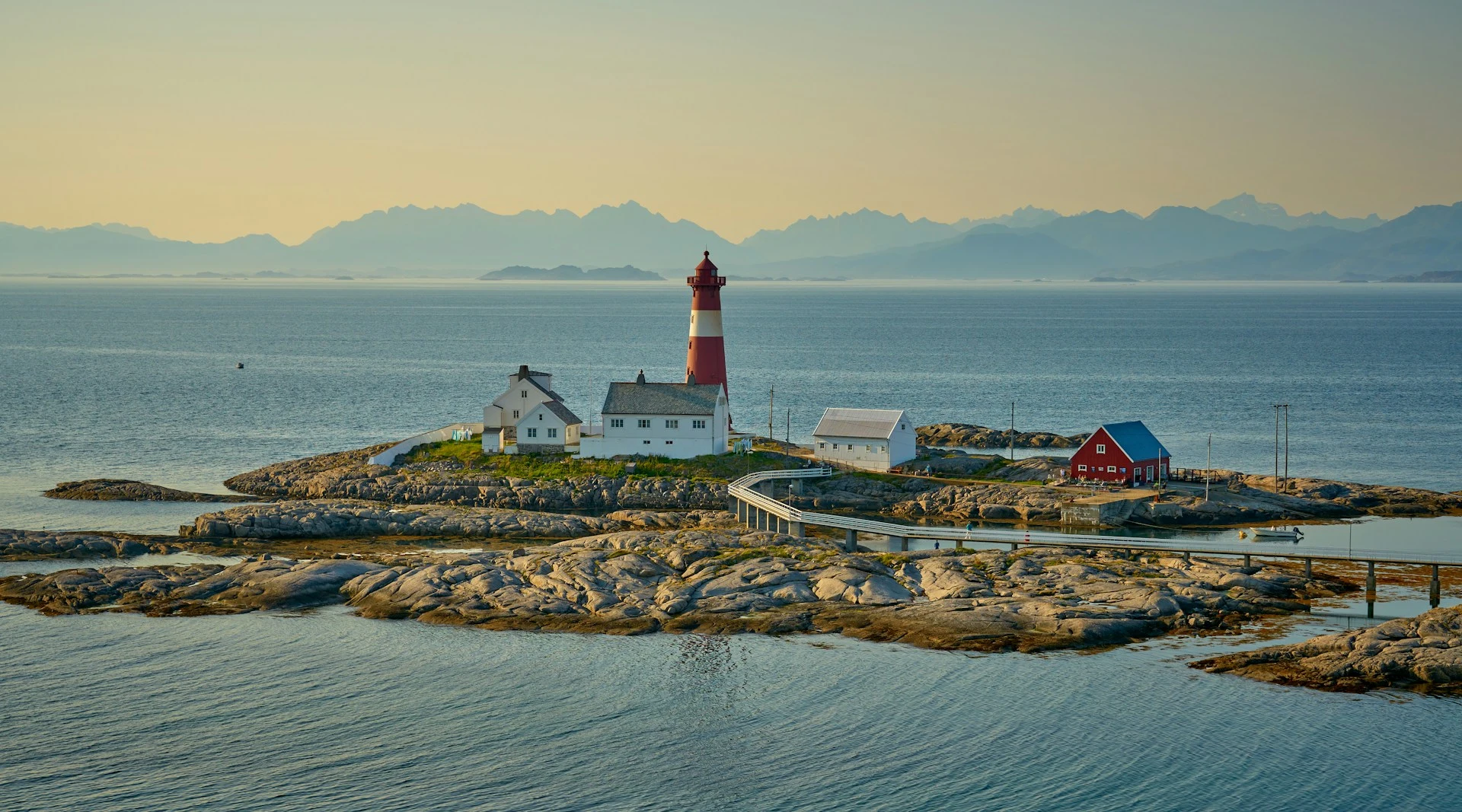
A norwegic island with soem houses and a lightpost at sunset.

A quieter fjord village often costs less than the famous one

Arctic Winter Trip
5 to 7 Days

Tromsø-based, built around the northern lights, often combined with dog sledding, snowmobiling, or whale watching.

6-Day Trip · Per Person
Arctic Winter Trip
Realistic range
$1,400–2,000
excluding flights

Winter is actually one of Norway's better value windows for accommodation. Hotel prices in Tromsø drop meaningfully between November and March compared to summer peaks, with comfortable options running $110–180/night. Food costs sit close to the national average, around $45–60/day for a realistic mix of cafés and restaurants.

Activities are where the real cost lives. A guided northern lights tour typically runs $130–200 per person. A half-day dog sledding excursion is usually $180–260. A snowmobile tour lands in a similar range. Most travellers do two to three paid activities across a five to seven day trip rather than one every day — the figure above reflects a six-day trip with three guided activities included.

Where the money goes
30% Hotels
44% Guided activities
26% Food

Travellers who skip guided tours and rent gear independently can bring the total down meaningfully, though the trade-off is usually a lower chance of being in the right place when the lights actually appear — local guides track weather and forecasts that most visitors don't have access to.

🌌
The packaged trap

Many travellers book a single big-name "northern lights package" that bundles transport, one viewing attempt, and a meal for a flat high fee. A custom trip with two or three separate, well-chosen activity bookings often costs less in total while giving more genuine chances of a clear-sky night.

Fishing Week
6 to 7 Nights

A dedicated week built around boat fishing, typically in Lofoten, Senja, or northern coastal regions. This is the category where the packaged-versus-custom price gap is largest.

7-Night Trip · Per Person, Pair Sharing
Fishing Week
Realistic range
$1,400–1,900
excluding flights

A full week of cabin and boat rental for up to four people sharing currently runs around $2,900–3,200 total for the group — roughly $725–800 per person when split four ways, covering accommodation and a private boat for the week. Rod, reel, and flotation suit rental typically adds $90–130 per person for the week if you're not bringing your own gear.

Hiring a local guide changes the picture meaningfully. A guided day generally costs around $500 per boat, or roughly $2,700 for a full guided week — again split across the group, not charged per person. Guides know current fish positioning and weather patterns in a way no amount of online research replicates, and camps that track results consistently show guided boats landing larger fish more often than self-guided ones.

The figure above reflects two anglers sharing a cabin and boat, with a few guided days included. Fully self-guided trips with no guide days can come in closer to $900–1,200 per person.

Where the money goes (with 2–3 guided days)
42% Cabin & boat rental
38% Guide days
20% Gear & food

The trade-off worth understanding here isn't really about money. It's about matching the structure to the traveller. A self-guided week is excellent value if you already have saltwater fishing experience. A guided or hybrid week costs more but meaningfully changes your odds — particularly for halibut, which requires knowing where to look rather than just having access to water.

Summer Hiking Trip
7 to 10 Days

Trail-focused travel, often combining a few iconic hikes — Trolltunga, Preikestolen, Besseggen — with multi-day stays in hiking-friendly base towns.

10-Day Trip · Per Person
Summer Hiking Trip
Realistic range
$1,700–2,400
excluding flights

Summer is Norway's most expensive season for accommodation, and hiking regions are no exception. Mountain lodges and guesthouses near major trailheads run $130–220/night, often including a hearty breakfast that meaningfully reduces food costs elsewhere in the day. Many serious hikers also build in one or two nights in a staffed mountain hut along a multi-day route, typically $60–100 per person including dinner and breakfast — considerably less than a hotel and genuinely part of the experience.

Transport between hiking bases adds up. A rental car in summer runs higher than shoulder season, typically $90–130/day. Public buses connecting the major hiking towns are a reasonable and far cheaper alternative for travellers comfortable with a slightly less flexible schedule.

Skipping the car in favour of buses and trains can bring the total down by $200–400 depending on the route.

Where the money goes
46% Lodges & huts
32% Rental car
22% Food
📅
The biggest cost mistake

The iconic hikes are only fully accessible roughly mid-June through mid-September, and accommodation in the most popular bases books out and prices climb sharply for the peak three weeks of that window. Shifting a trip even two weeks earlier or later than peak, while staying inside the accessible window, regularly saves 20–30% on accommodation without meaningfully changing trail conditions.

Why Custom Often
Costs Less Than People Expect

There's a common assumption that a custom-built trip costs more than a packaged tour. In practice it's frequently the opposite, for a simple reason: packaged tours are built to be sold to everyone, not built around what you specifically want. That means padding.

Packaged Tour
Built to sell to everyone
  • Nights in expensive tourist hub towns, because they're easy to market
  • Group activities bundled into a flat fee, whether you wanted them or not
  • Transport scheduled for the operator's convenience, not cost efficiency
  • A built-in margin that covers running a generic product at scale
Custom-Built Trip
Built around your dates and group
  • Routed through the places that actually fit your trip, not the easiest sell
  • Only the activities your group actually wants, nothing pre-bundled
  • Transport chosen for your schedule and budget specifically
  • No padding for running a one-size-fits-all product

A trip planned around your actual dates, your actual interests, and your actual group size strips that padding out. It also means you're not paying for the parts of a generic itinerary you'd skip anyway — an extra day in a city you don't care about, or an activity that doesn't interest your group.

None of this means a custom trip will always be cheaper than the absolute lowest-cost packaged option you can find. It means that for the same quality of experience and the same level of comfort, a custom trip very often comes out even or ahead, while actually matching what you wanted to do in the first place.

Talk to a human

Have a rough idea of the trip you want?

Tell us what you have in mind — dates, group size, and what matters most to you — and we'll give you a realistic picture of what it would actually cost.

Tell us about your trip →